Cast iron cookware is famous for its durability, natural non-stick surface, and superior heat retention. But to unlock its full potential, you must season it properly.


If you’ve ever wondered how to season cast iron the right way, this complete guide will walk you through the exact process, explain why seasoning matters, and help you avoid common mistakes that ruin your pan.
By the end of this article, you’ll know how to build a smooth, long-lasting, non-stick finish that improves with every use.
What Does “Seasoning” Cast Iron Mean?
Seasoning cast iron doesn’t involve salt or spices.
Instead, it refers to the process of:
- Applying a thin layer of oil
- Heating it until it bonds to the metal
- Creating a hardened, protective coating
This process is called polymerization, where oil transforms into a durable, plastic-like layer that:
- Prevents rust
- Creates a natural non-stick surface
- Improves cooking performance
Proper seasoning is what makes cast iron cookware last for generations.
Why Proper Cast Iron Seasoning Is Important
Learning how to season cast iron correctly provides several benefits:
✅ Prevents Rust
Cast iron is highly porous and prone to rust. Seasoning seals the surface.
✅ Creates a Natural Non-Stick Surface
Well-seasoned cast iron rivals synthetic non-stick pans — without chemicals.
✅ Improves Flavor and Performance
Over time, layers of seasoning enhance cooking results.
✅ Extends Lifespan
Properly maintained cast iron can last decades — even centuries.
When Should You Season Cast Iron?
You should season your cast iron pan:
- When it’s brand new
- After deep cleaning
- If rust appears
- If food starts sticking
- After stripping old seasoning
Even “pre-seasoned” pans benefit from additional seasoning.

How to Season Cast Iron the Right Way (Step-by-Step)
Follow this proven method for best results.
Step 1: Clean the Pan Thoroughly
If the pan is new or rusty:
- Wash with warm water and mild dish soap
- Scrub away any residue or rust
- Rinse thoroughly
Unlike common myths, using soap occasionally will not ruin your pan.
Step 2: Dry Completely
Moisture causes rust instantly.
- Towel dry immediately
- Place the pan on low heat for 5–10 minutes to remove hidden moisture
The pan must be completely dry before oiling.
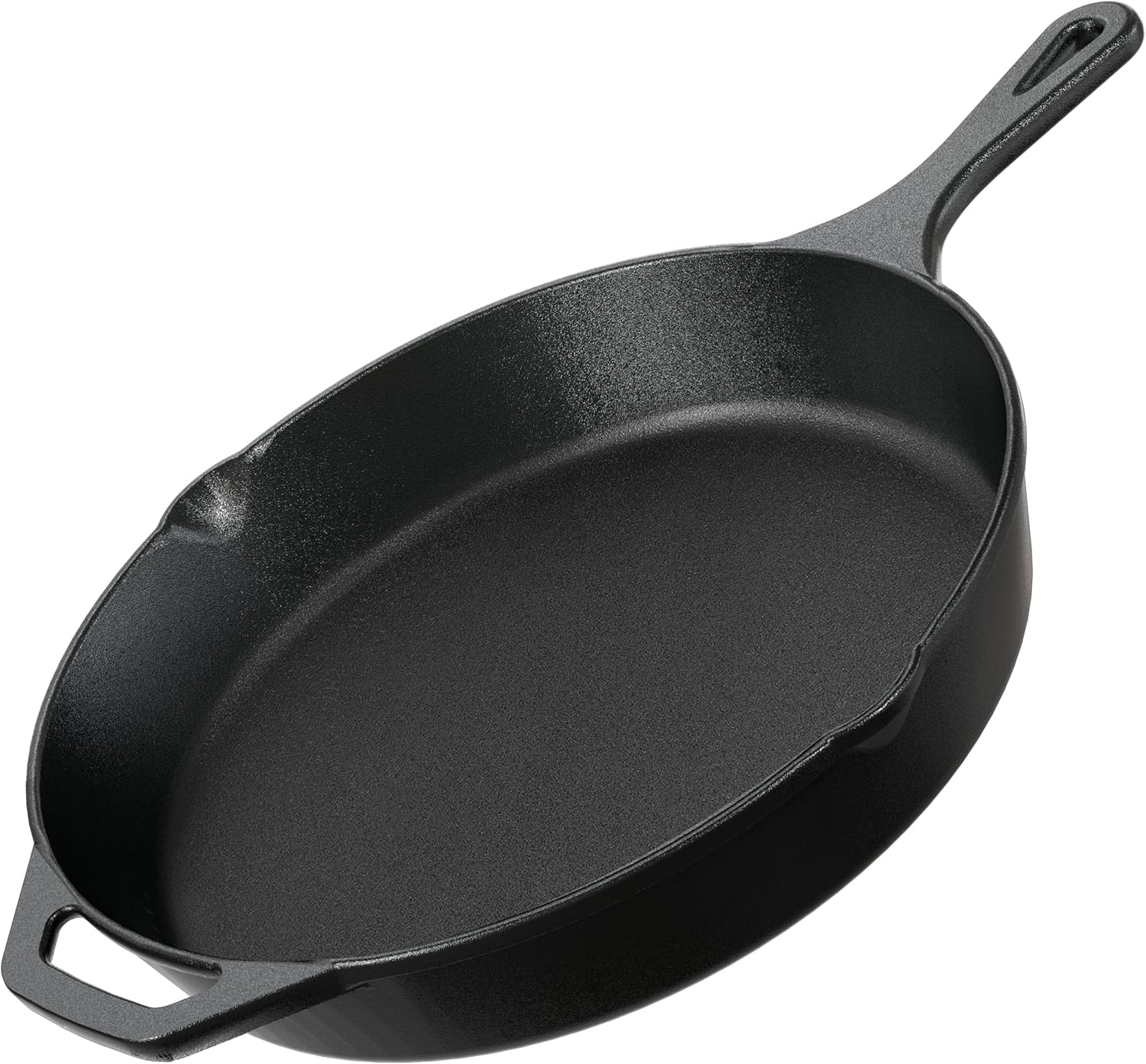
Step 3: Apply a Thin Layer of Oil
This is the most important step.
Use oils with high smoke points, such as:
- Flaxseed oil
- Grapeseed oil
- Canola oil
- Vegetable oil
Avoid butter or olive oil for seasoning.
How Much Oil?
Apply a very thin layer — almost invisible.
- Rub oil over the entire surface
- Include bottom and handle
- Wipe off excess with a clean cloth
Too much oil leads to sticky buildup.
Step 4: Bake the Pan Upside Down
- Preheat oven to 450–500°F
- Place foil on the lower rack (to catch drips)
- Put the pan upside down on the top rack
- Bake for 1 hour
This allows oil to polymerize and bond to the metal.

Step 5: Let It Cool Slowly
Turn off the oven and allow the pan to cool inside.
This prevents cracking and ensures even bonding.
Step 6: Repeat for Stronger Seasoning
For best results:
- Repeat the process 2–3 times
Multiple layers create a smoother and more durable finish.
Best Oils for Seasoning Cast Iron
Choosing the right oil is crucial.
| Oil Type | Smoke Point | Recommended? |
|---|---|---|
| Flaxseed Oil | ~450°F | Excellent |
| Grapeseed Oil | ~420°F | Excellent |
| Canola Oil | ~400°F | Very Good |
| Vegetable Oil | ~400°F | Good |
| Olive Oil | ~375°F | Not Ideal |
| Butter | Low | Not Recommended |
High smoke point oils create stronger seasoning layers.
Common Mistakes When Seasoning Cast Iron
Avoid these common errors.
❌ Using Too Much Oil
Thick oil layers cause:
- Sticky surface
- Uneven coating
- Flaky buildup
Always wipe off excess oil.
❌ Skipping the Preheat
Cold ovens don’t polymerize oil effectively.
Always preheat properly.
❌ Not Drying the Pan Fully
Even a little moisture leads to rust.
❌ Cooking Acidic Foods Too Early
Tomato sauces and vinegar can strip new seasoning.
Wait until seasoning is well developed.
How Long Does Cast Iron Seasoning Last?
If maintained properly:
- Seasoning improves over time
- It rarely needs complete re-seasoning
- Minor touch-ups are usually enough
Frequent cooking with oil actually strengthens the surface.
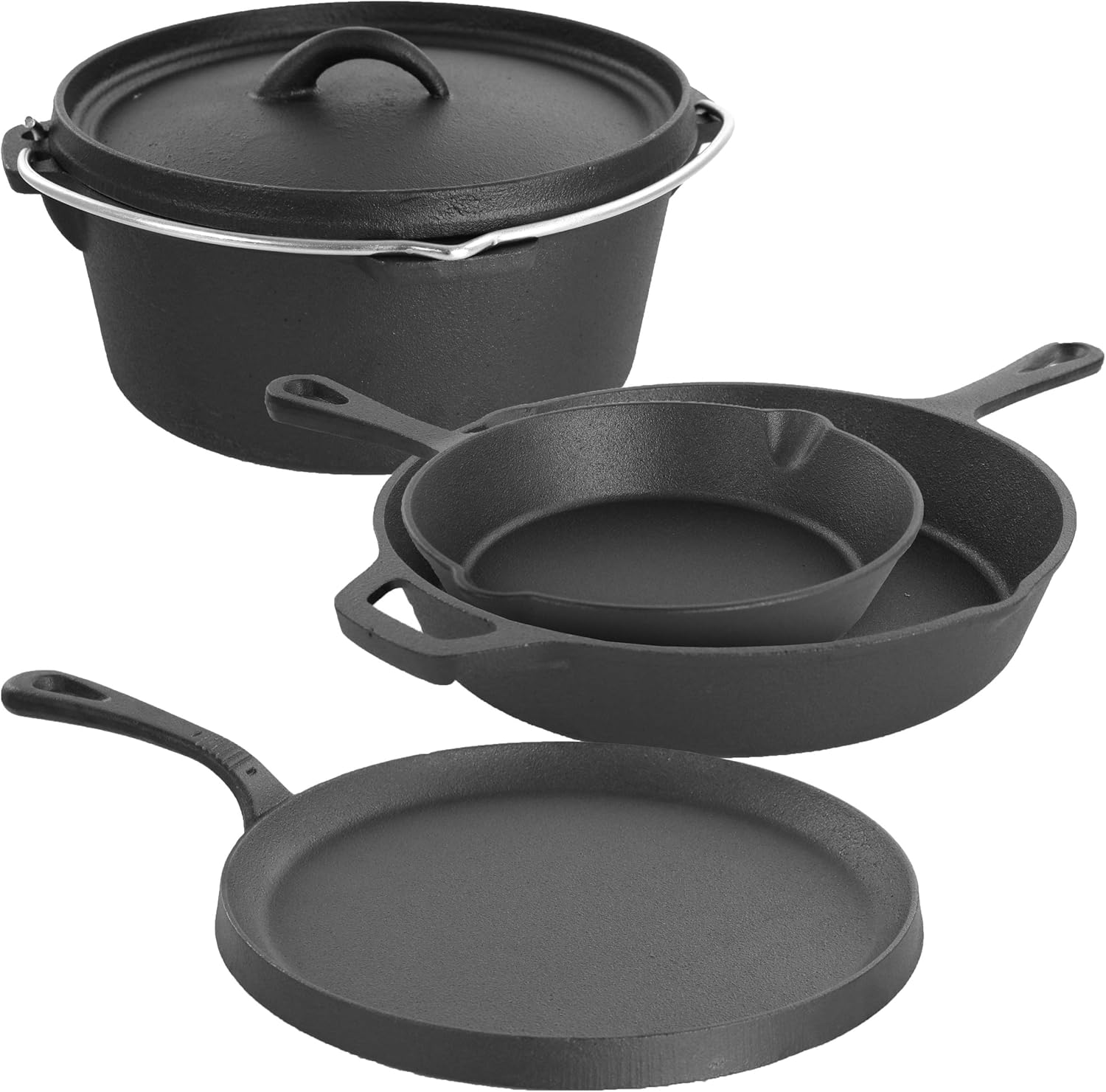
How to Maintain Seasoned Cast Iron
Proper maintenance is simple.For more cast iron ,see Cookware Guide Tips And Tricks.
After Each Use:
- Rinse with warm water
- Use a soft brush or sponge
- Avoid soaking in water
- Dry immediately
- Apply a light coat of oil
This keeps seasoning strong.
Can You Ruin Cast Iron Seasoning?
Yes — but it’s fixable.
Seasoning can be damaged by:
- Soaking in water
- Using harsh detergents excessively
- Cooking acidic foods repeatedly
- Scrubbing with steel wool
The good news?
Cast iron can always be stripped and re-seasoned.
How to Fix Rusty Cast Iron
If rust appears:
- Scrub with steel wool
- Wash and dry thoroughly
- Repeat full seasoning process
Rust is not permanent damage.
How Many Times Should You Season Cast Iron?
For brand-new or stripped pans:
- 2–4 seasoning cycles are ideal
For maintenance:
- Light oiling after cooking is enough
Does Seasoning Make Cast Iron Non-Stick?
Yes — but it improves gradually.
The more you:
- Cook fatty foods
- Avoid harsh cleaning
- Maintain light oil coating
The smoother it becomes.
Properly seasoned cast iron can cook eggs without sticking.
Cast Iron vs Non-Stick: Is Seasoning Worth It?
| Feature | Cast Iron | Synthetic Non-Stick |
|---|---|---|
| Chemical-Free | Yes | Sometimes |
| Durability | Decades | 2–5 years |
| Heat Retention | Excellent | Moderate |
| Maintenance | Moderate | Easy |
While cast iron requires care, it lasts far longer.
Frequently Asked Questions
Can You Season Cast Iron on a Stovetop?
Yes, but oven seasoning provides more even results.
Why Is My Cast Iron Sticky After Seasoning?
You likely used too much oil.
Solution:
- Bake again at high heat
- Or strip and re-season properly
Can I Use Soap on Cast Iron?
Occasionally, yes.
Modern dish soap won’t destroy well-developed seasoning.
Is It Safe to Use Rusty Cast Iron?
Light rust can be removed safely. Always clean and re-season before cooking.
Final Thoughts: How to Season Cast Iron the Right Way
Learning how to season cast iron correctly transforms your cookware into a lifetime investment.
The key principles are simple:
- Clean thoroughly
- Dry completely
- Apply very thin oil layers
- Bake at high temperature
- Repeat for durability
When done properly, cast iron develops a natural non-stick surface, resists rust, and delivers unmatched cooking performance.
With proper care, your cast iron skillet can serve you — and future generations — for decades.