If you’re searching for healthier cookware that delivers excellent non-stick performance without harmful chemicals, a ceramic sauté pan is one of the best investments you can make for your kitchen.
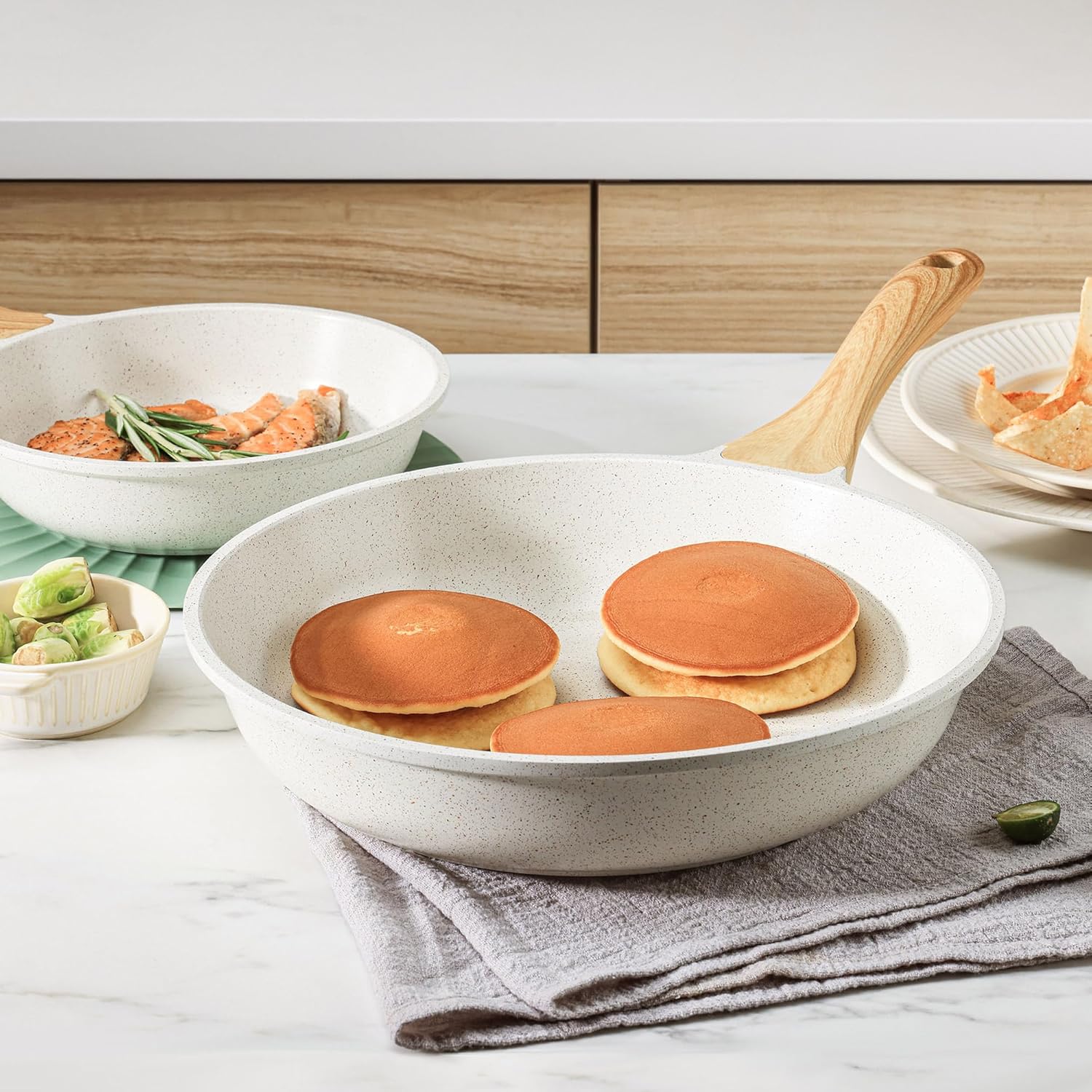

In recent years, ceramic cookware has surged in popularity among home cooks and professional chefs alike. Its eco-friendly coating, easy cleaning, and superior heat distribution make it a standout alternative to traditional non-stick pans.
This comprehensive guide covers everything you need to know, including:
-
- What a ceramic sauté pan is
-
- Key benefits and drawbacks
-
- How ceramic compares to other cookware
-
- Important buying factors
-
- Maintenance tips
-
- Detailed product recommendations
-
- FAQs and expert advice
By the end, you’ll know exactly how to choose the best ceramic sauté pan for your cooking needs.
What Is a Ceramic Saute Pan?
A ceramic sauté pan is a wide, flat cooking pan with high, straight sides and a ceramic-based non-stick coating. Unlike traditional Teflon pans, ceramic coatings are derived from natural sand-based materials and do not contain toxic chemicals such as:
-
- PTFE (Polytetrafluoroethylene)
-
- PFOA (Perfluorooctanoic Acid)
-
- Lead or cadmium
The defining features of a sauté pan include:
-
- Large flat cooking surface
-
- Deep walls for tossing food
-
- Tight-fitting lid compatibility
-
- Even heat distribution
Because of its versatility, it can be used for:
-
- Sautéing vegetables
-
- Browning meats
-
- Pan-frying
-
- Simmering sauces
-
- One-pan meals
Why Ceramic Saute Pans Are So Popular
The growing demand for ceramic cookware is largely driven by health and convenience. Consumers today prefer cookware that is safe, easy to use, and environmentally friendly.

Here are the main reasons ceramic sauté pans dominate modern kitchens.
Benefits of Using a Ceramic Saute Pan
1. Non-Toxic Cooking Surface
One of the biggest advantages is safety.
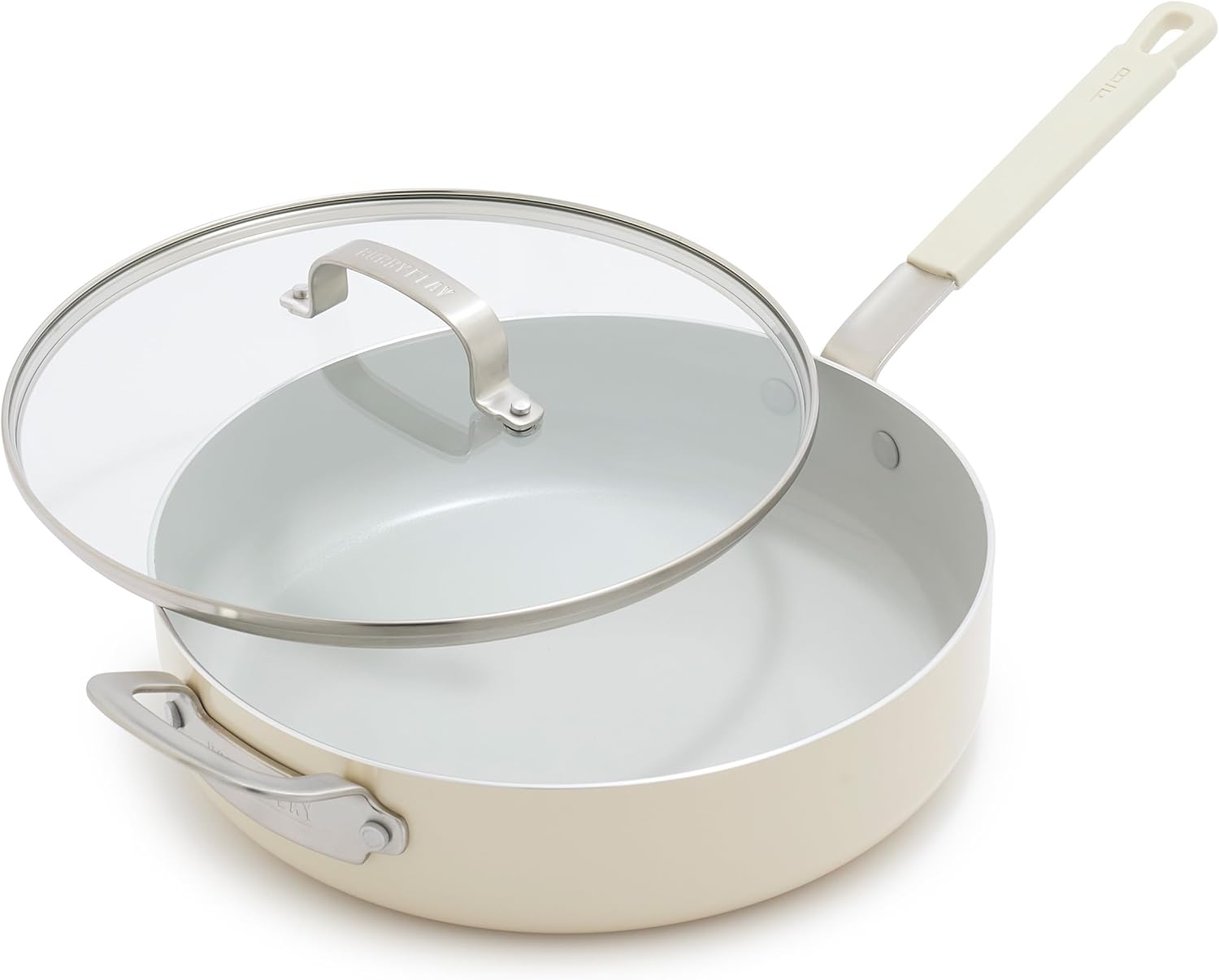
Ceramic coatings are free from harmful chemicals commonly found in traditional non-stick cookware. This means:
-
- No toxic fumes at high heat
-
- Safer cooking for families
-
- Reduced chemical exposure
This makes ceramic pans ideal for health-conscious households.
2. Excellent Non-Stick Performance
Ceramic coatings naturally resist food sticking.
This allows you to:
-
- Cook eggs without oil
-
- Flip foods easily
-
- Prevent burnt residue
-
- Clean quickly
For everyday cooking, this feature saves time and effort.
3. Healthier Cooking With Less Oil
Because of its slick surface, ceramic cookware requires minimal oil.
This helps:
-
- Reduce calories
-
- Lower fat intake
-
- Support healthier diets
For anyone focused on nutrition, this is a major advantage.
4. Even Heat Distribution
Most ceramic sauté pans use aluminum cores, which provide:
-
- Uniform heating
-
- Reduced hot spots
-
- Consistent cooking results
This is especially helpful when sautéing delicate foods.
5. Eco-Friendly Manufacturing
Ceramic coatings are produced using natural materials and environmentally friendly processes.
Compared to traditional non-stick cookware, they:
-
- Produce fewer emissions
-
- Contain no toxic chemicals
-
- Have a smaller environmental footprint
6. Easy Cleaning
Food residue rarely sticks to ceramic surfaces.
Usually, cleaning requires only:
-
- Warm water
-
- Mild soap
-
- Soft sponge
No heavy scrubbing needed. For more cleaning tips visit Cookware Care Tips And Tricks.
Drawbacks of Ceramic Saute Pans
While ceramic cookware has many benefits, it’s important to understand its limitations.
1. Coating May Wear Over Time
Ceramic coatings can degrade faster than traditional non-stick surfaces.
Improper care can shorten lifespan, such as:
-
- Using metal utensils
-
- Cooking on high heat
-
- Stacking pans without protection
2. Not Ideal for Extremely High Heat
Ceramic performs best at:
-
- Low to medium heat
Very high temperatures may damage the coating.
3. Slightly Higher Initial Cost
High-quality ceramic sauté pans often cost more upfront than basic non-stick pans.
However, the health benefits often justify the price.
ceramic sauté pan requires careful consideration of several factors.
1. Size and Capacity
Common sizes include:
-
- 10-inch — Best for singles
-
- 12-inch — Ideal for families
-
- 5-quart — Best for large meals
Choose based on cooking volume.
2. Material Construction
Look for:
-
- Hard-anodized aluminum base
-
- Multi-layer ceramic coating
-
- Reinforced scratch resistance
These improve durability and performance.
3. Handle Quality
A good handle should be:
-
- Ergonomic
-
- Heat-resistant
-
- Securely attached
Comfort matters during long cooking sessions.
4. Lid Compatibility
A tempered glass lid helps with:
-
- Simmering
-
- Steaming
-
- Moisture retention
5. Cooktop Compatibility
Check whether the pan works with:
-
- Gas stoves
-
- Electric cooktops
-
- Induction surfaces
6. Oven Safety
Premium ceramic sauté pans are often oven-safe up to 400-600°F.
This allows:
-
- Finishing dishes in oven
-
- Baking casseroles
Best Ceramic Saute Pan Picks (Detailed Reviews)
Below are some of the most popular options available on Amazon.
Best Overall: Caraway Ceramic Saute Pan With Lid
Key Features
-
- PFAS-free ceramic coating
-
- Non-stick ceramic, aluminum core and stainless steel handles.
-
- Induction compatible
-
- Oven safe
-
- Dishwasher safe
Pros
-
- Excellent durability
-
- Superior heat distribution
-
- Easy cleaning
Cons
-
- Slightly higher price

Best For
Home cooks seeking long-lasting premium performance.
Check price on Amazon
Best Budget Choice: GreenPan Rio Ceramic Saute Pan
Key Features
-
- Diamond-reinforced coating
-
- Lightweight design
-
- Even heating
Pros
-
- Affordable price
-
- Reliable non-stick performance
Cons
-
- Not as durable as premium models

Best For
Everyday cooking on a budget.
Check on Amazon
Sensarte Ceramic Saute Pan
Key Features
- No toxic substances produced even overheated.
- Deep and large enough for saute.
- Ceramic surface is smooth and super nonstick.
Pros
- Available with tempered glass lid
- Slick non stick surface
Cons
- Unmatchable with premium quality pans.

Best For
This saute pan makes cooking easier and food is much more flavorable with less oil.
Check on Amazon
Best Premium Option: Calphalon Premier Ceramic Saute Pan
Key Features
-
- Multi-functional design
-
- Beautiful modern aesthetics
-
- Non-toxic ceramic coating
Pros
-
- Highly versatile
-
- Stylish appearance
- Scratch-free saute pan.
Cons
-
- Expensive

Best For
Users wanting premium multi-use cookware.
Check on Amazon
How to Maintain a Ceramic Saute Pan
Proper care dramatically extends lifespan.
Cleaning Tips
-
- Let pan cool before washing
-
- Use mild soap
-
- Avoid abrasive scrubbers
Cooking Tips
-
- Use low to medium heat
-
- Avoid cooking sprays
-
- Use silicone or wooden utensils
Storage Tips
-
- Stack with protective padding
-
- Avoid scratching the surface
Frequently Asked Questions
Are ceramic sauté pans safe?
Yes, they are considered among the safest cookware options because they do not contain toxic chemicals.
How long do ceramic pans last?
With proper care, they typically last 3–5 years.
Can you use metal utensils?
No, metal utensils can scratch the coating.
Are ceramic pans dishwasher safe?
Some are, but hand washing is recommended.
Final Verdict: Is a Ceramic Saute Pan Worth It?
Absolutely.
A ceramic sauté pan offers the perfect balance of safety, convenience, and cooking performance.
Its non-toxic coating, easy maintenance, and even heating make it one of the best cookware choices for modern kitchens.
If you want healthier cooking with minimal effort, investing in a high-quality ceramic sauté pan is a smart decision.